

Every company has a crucial duty to ensure fire safety. One small incident can quickly turn into a serious emergency if employees are not prepared. This is where fire warden training plays an important role. Fire wardens act as leaders during emergencies and help guide others to safety. Proper training ensures they know what to do, how to stay calm, and how to protect lives and property. This guide explains everything you need to know about fire warden training and why it matters for workplace safety.
What Is Fire Warden Training?
Fire warden training is a safety program designed to prepare selected employees to manage fire emergencies. A fire warden is responsible for guiding evacuations, checking designated areas, and reporting hazards. Training teaches wardens how fires start, how to reduce risks, and how to respond quickly when alarms go off. This knowledge helps prevent panic and confusion during emergencies.
Fire wardens also play a role in everyday safety. They observe the workplace for potential hazards and report issues before they become serious problems. Their presence creates a safer environment for everyone.
Why Fire Warden Training Is Important?
Workplaces contain many fire risks, such as electrical equipment, kitchen areas, flammable materials, and crowded spaces. Fire warden training helps reduce these risks by promoting awareness and preparedness. When employees know that trained wardens are present, they feel more confident about safety procedures.
Training also helps companies meet safety regulations. Many workplace safety laws require trained personnel to handle emergencies. Fire warden course shows that an organisation takes safety seriously and follows proper guidelines.
Most importantly, trained fire wardens can save lives. They know how to guide people calmly, assist those who need help, and ensure everyone reaches safety.
Key Responsibilities Of A Fire Warden
Fire wardens have several important duties before, during, and after an emergency. Before an incident, they inspect work areas for fire hazards and ensure exits are clear. They also help conduct fire drills and educate coworkers about safety rules.
During an emergency, fire wardens lead evacuations. They make sure people leave in an orderly manner and check assigned zones to confirm no one is left behind. They also assist individuals with mobility challenges and report the situation to emergency services.
After evacuation, fire wardens gather information and share updates with management and emergency responders. Their actions help ensure a smooth and organised response.
What Do You Learn In Fire Warden Training?
Emergency warden course covers both theory and practical skills. Participants learn about different types of fires and how they spread. They also study fire prevention methods and how to reduce workplace risks.
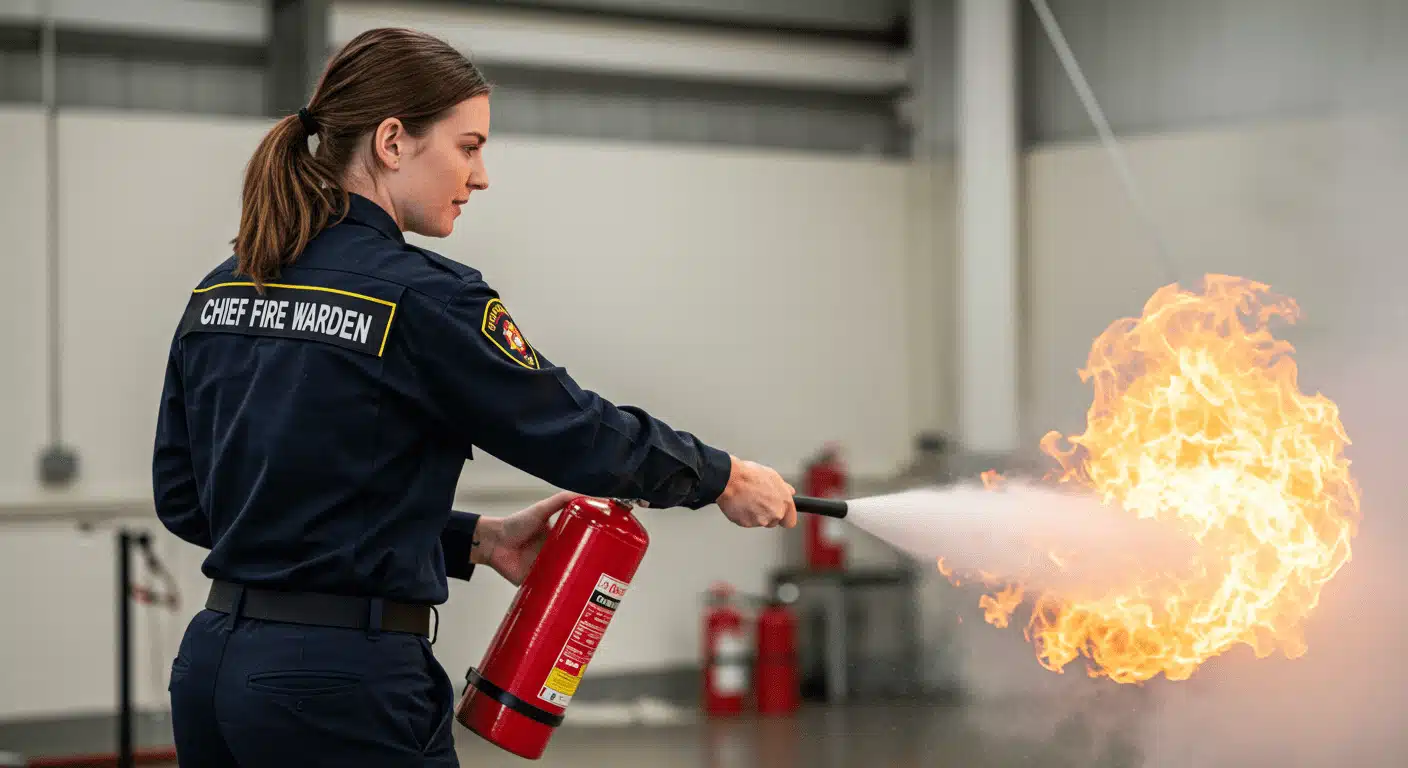
Training includes how to use fire extinguishers correctly and when it is safe to do so. Fire wardens also practice evacuation procedures and communication techniques. Learning how to stay calm and give clear instructions is an important part of the course.
Many programs also teach first aid basics, smoke safety, and how to manage large groups during emergencies. These skills prepare wardens to handle real-life situations confidently.
Who Should Become A Fire Warden?
Fire wardens are usually selected from regular employees. Anyone responsible, calm under pressure, and willing to help others can become a fire warden. It is helpful to choose people from different departments and floors to cover all areas of the workplace.
Managers, supervisors, and team leaders are often good candidates because they already guide teams. However, every employee can benefit from basic fire safety knowledge, even if they are not appointed as wardens.

How Often Should Training Be Updated?
Fire warden training should not be a one-time event. Regular refreshers help keep knowledge up to date. Many organisations provide annual or biannual training sessions. Updates are also needed when workplace layouts change or new equipment is introduced.
Fire drills should be conducted regularly to test evacuation plans. These drills help identify weak points and improve response times. Ongoing training ensures fire wardens stay confident and prepared.
Benefits Of Fire Warden Training
Fire warden training offers many benefits to both employees and employers. It lowers the possibility of harm and property damage. It also builds a safety-focused culture within the organisation.
Knowing that there are qualified individuals to assist them in an emergency makes workers feel safer. For employers, training helps meet legal requirements and improves overall risk management. A safe workplace also improves morale and productivity.
Conclusion
Fire warden training is an essential part of workplace safety. It prepares selected employees to handle emergencies with confidence and care. From preventing hazards to leading evacuations, fire wardens play a vital role in protecting lives. Regular training, drills, and safety awareness create a strong safety culture in any organisation. Investing in fire warden training is not just about compliance. It is about making everyone’s workplace safer and more equipped.


